
"It would have been impossible, using traditional methods, to capture and improve all of the features."
// CASE STUDY
When the Only Part Left Is Broken
How Mapeex recreated an essential ancillaries gearbox casing for a WWII Seafire - capturing 157 machining details from a component that should have been impossible to reproduce
The Challenge
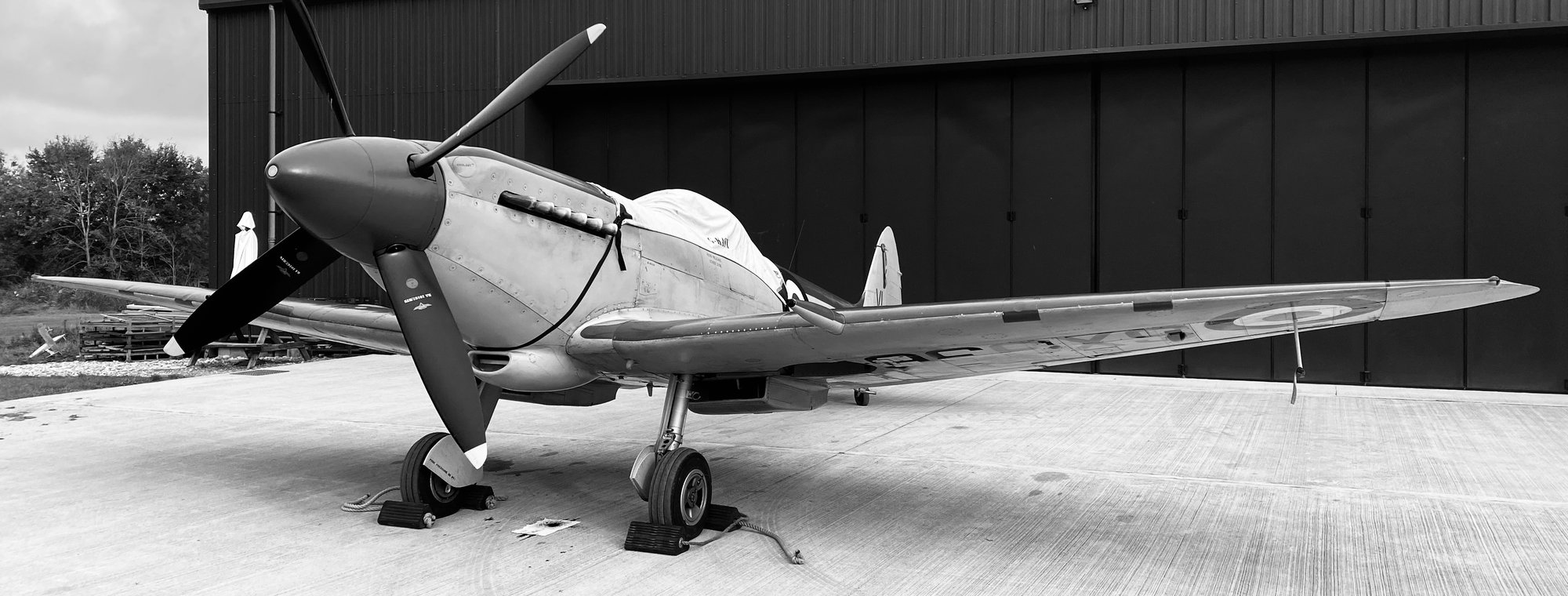
A specialist historic aircraft restoration workshop, referred by an existing Mapeex client, came with a problem that had stopped their project in its tracks. The aircraft they were rebuilding was a Seafire - the naval variant of the Spitfire, one of the most iconic aircraft of the Second World War. And it could not run without a part that no longer existed in usable condition.
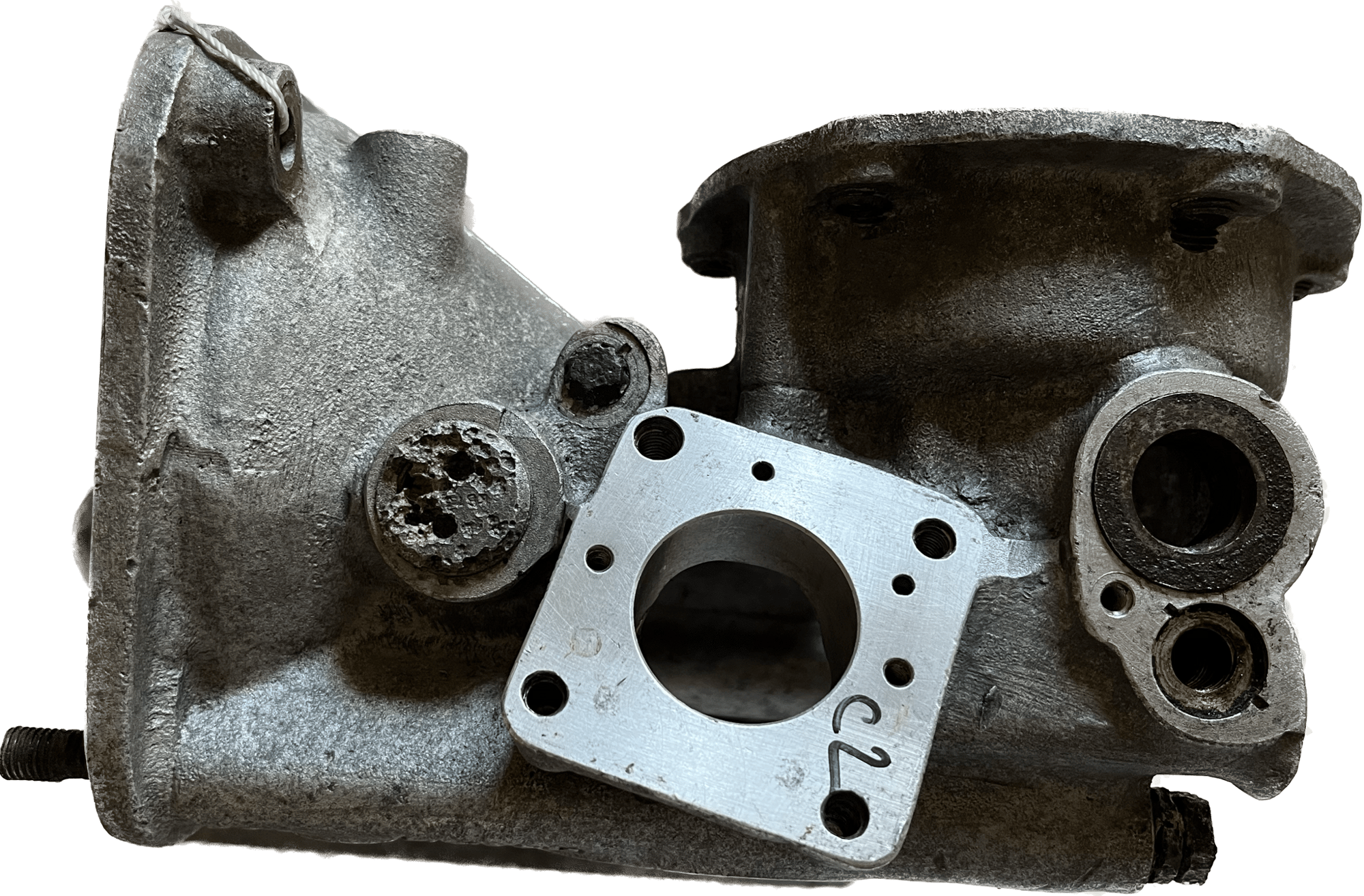
Of the more than 2,500 Seafires produced during the war, fewer than 20 have survived - most of them in museums, static and incomplete. Production of components ceased almost a century ago. The ancillaries gearbox casing the team needed was nowhere to be found in good condition. The only examples available were worn, damaged, or structurally compromised. There was no CAD model, no technical drawing with sufficient detail, and no supplier capable of reproducing the part from memory alone.
The geometry of the casing compounded the difficulty further. Running axes in multiple directions, an array of deep cavities, and complex internal features made conventional measurement techniques entirely inadequate. The material specification used at the time of manufacture was equally elusive - identifying the correct grade required specialist laboratory analysis.
The constraints were unambiguous:
- No usable spare part in existence
- No production data or detailed technical drawing
- Internal geometry too complex for traditional measurement methods
- Period-correct material grade difficult to source and identify
- Multiple other parts requiring similar treatment - no time to waste
The Approach
1 · Assessment
A thorough inspection of the damaged casing revealed more than just wear - it exposed geometric variations introduced during original wartime manufacture, almost certainly compounded by the production pressures of the era. Cracks had developed at the mounting points for ancillary components, including the hydraulic pump. Every interface detail was catalogued. A partner laboratory was engaged to identify the original material grade with certainty.
2 · Engineering
The inspection findings directly shaped the engineering response. Rather than simply replicating what existed, the team identified the weaknesses inherent in the original design and addressed them in the reconstruction. To capture the geometry concealed within the casing's cavities - inaccessible to any scanner - bespoke silicone moulding techniques were employed, creating physical records of internal surfaces that could then be scanned individually and combined into a complete digital model.
3 · Post Treatment
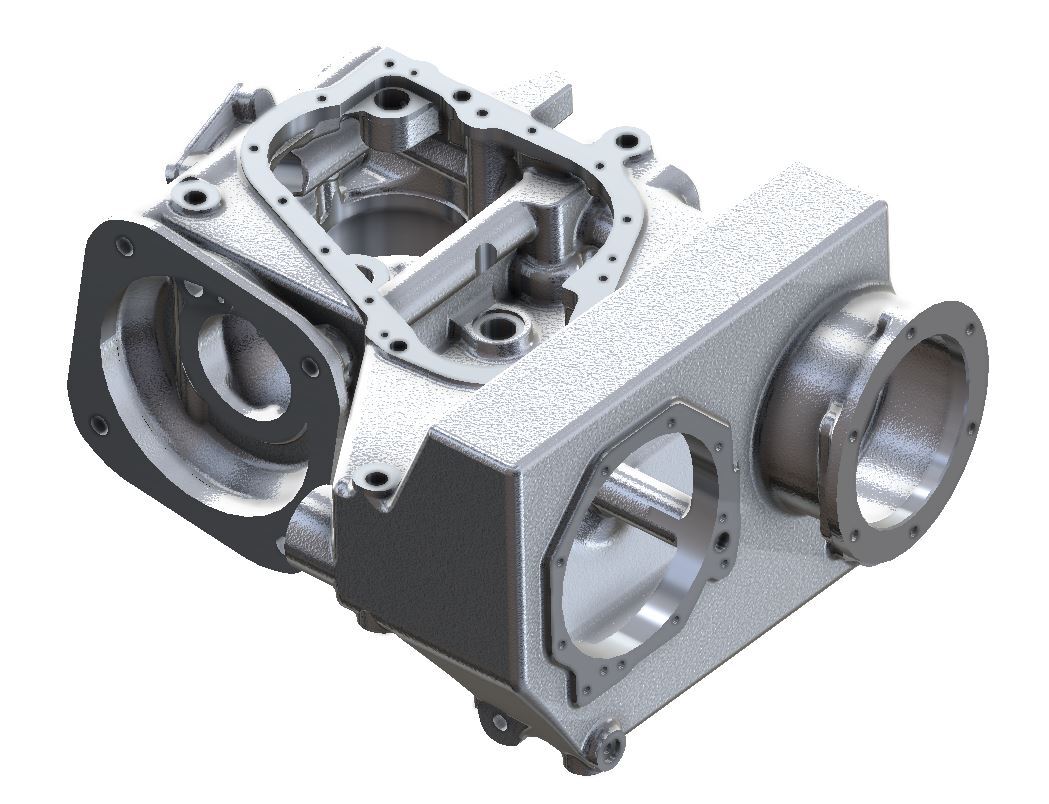
Reconstruction of the CAD model was an iterative process. Multiple comparison cycles between scan data, physical parts, and printed references allowed every feature to be identified, validated, and accurately positioned. The combination of direct scan data and moulded geometry prints enabled a level of completeness that no single capture method could have achieved alone.
4 · Production & Validation
With ancillary component drawings providing tolerance references for the critical interface features, the team applied their mechanical systems expertise to reposition all machining details at their correct locations - optimising the geometry for reliable running rather than simply replicating the flaws of the original. A full tolerance stack analysis, accounting for the component's operating temperature range, completed the production documentation.
"Unlike a standard engineering bureau, Mapeex did not simply reverse-engineer what remained - they identified the original design's weaknesses and corrected them, ensuring the reproduced part will outlast and outperform the one it replaced."
The Result
A production-ready CAD model and full documentation set were delivered, capturing all 157 machining details of the casing - corrected, validated, and ready for manufacture. An aircraft that could not run now can.First Time Right
All 157 machining details captured, corrected, and validated before production
Geometry improved
Original manufacturing flaws identified and addressed in the reproduced part
Material Integrity
Period-correct material grade identified through specialist laboratory analysis
History Preserved
One of fewer than 20 surviving Seafires returned to flying condition
Why Mapeex? Key Differentiators in this case
First Time Right - Every Time
Every part is engineered with production documentation precise enough to guarantee fit on first installation. The validation process - combining scan data, tolerance analysis, and mechanical systems expertise - eliminates geometric risk before a single component enters production.
Full Context Engineering
Mapeex does not simply reverse-engineer a shape. The team analyses operating conditions, loads, friction, heat, and assembly stack-ups - then addresses the weaknesses of the original design rather than perpetuating them. The result is a part that performs reliably, not just one that fits.
30 Years of Motorsport Precision
Mapeex's methodology was forged in an environment where parts must perform under extreme conditions, to tight deadlines, with zero margin for error. That standard applies equally whether the application is a Group B rally car or a Second World War naval aircraft.
Trusted Partnerships
Mapeex does not manufacture in isolation -production is directed through a curated network of specialist suppliers, with quality supervised at every stage from data release to final installation.
Have a similar Project? Tell us about it!