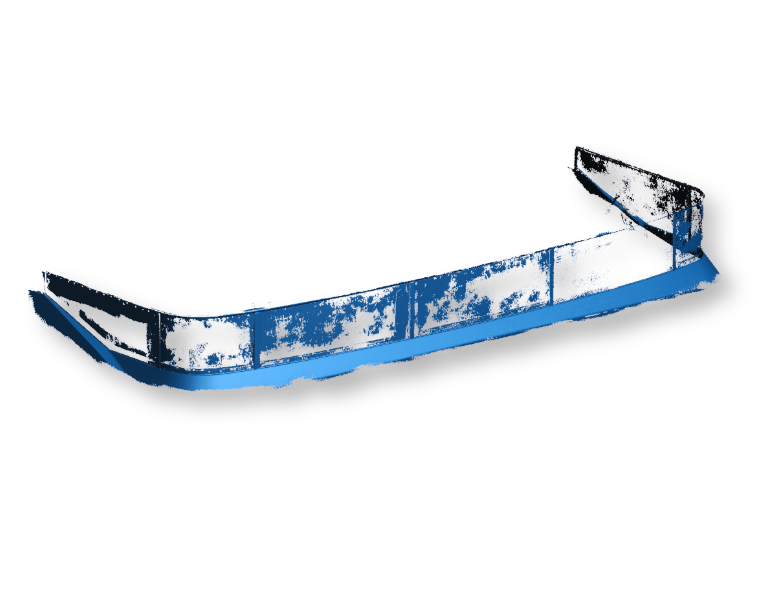
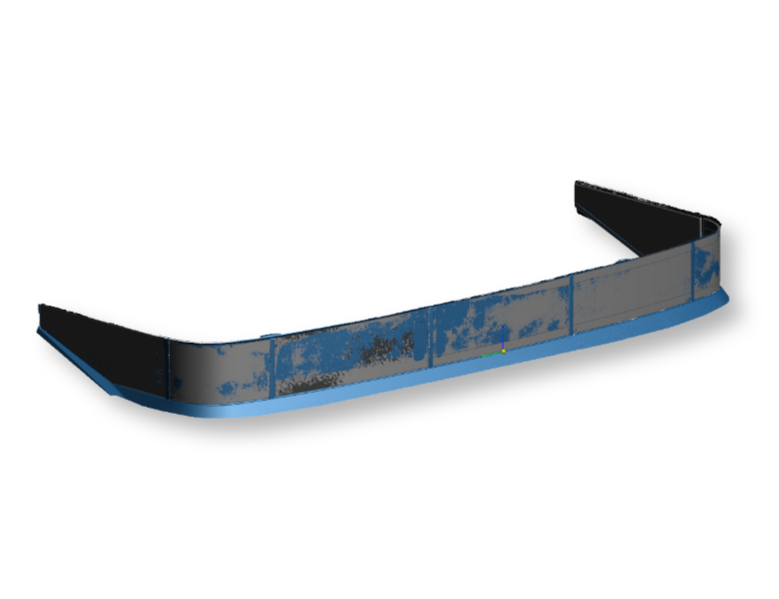
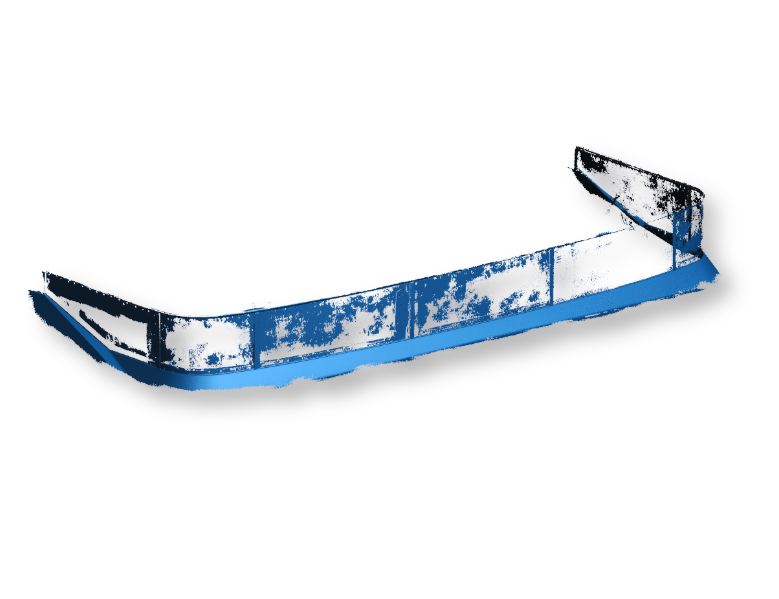
High-precision 3D scanning creates a complete digital model of the actual on-board situation - not just a few measured points, but the entire surface of the opening or structure. The accuracy is within millimetres.
For a refit project manager, this means one thing: you know exactly what you are building against before fabrication starts.
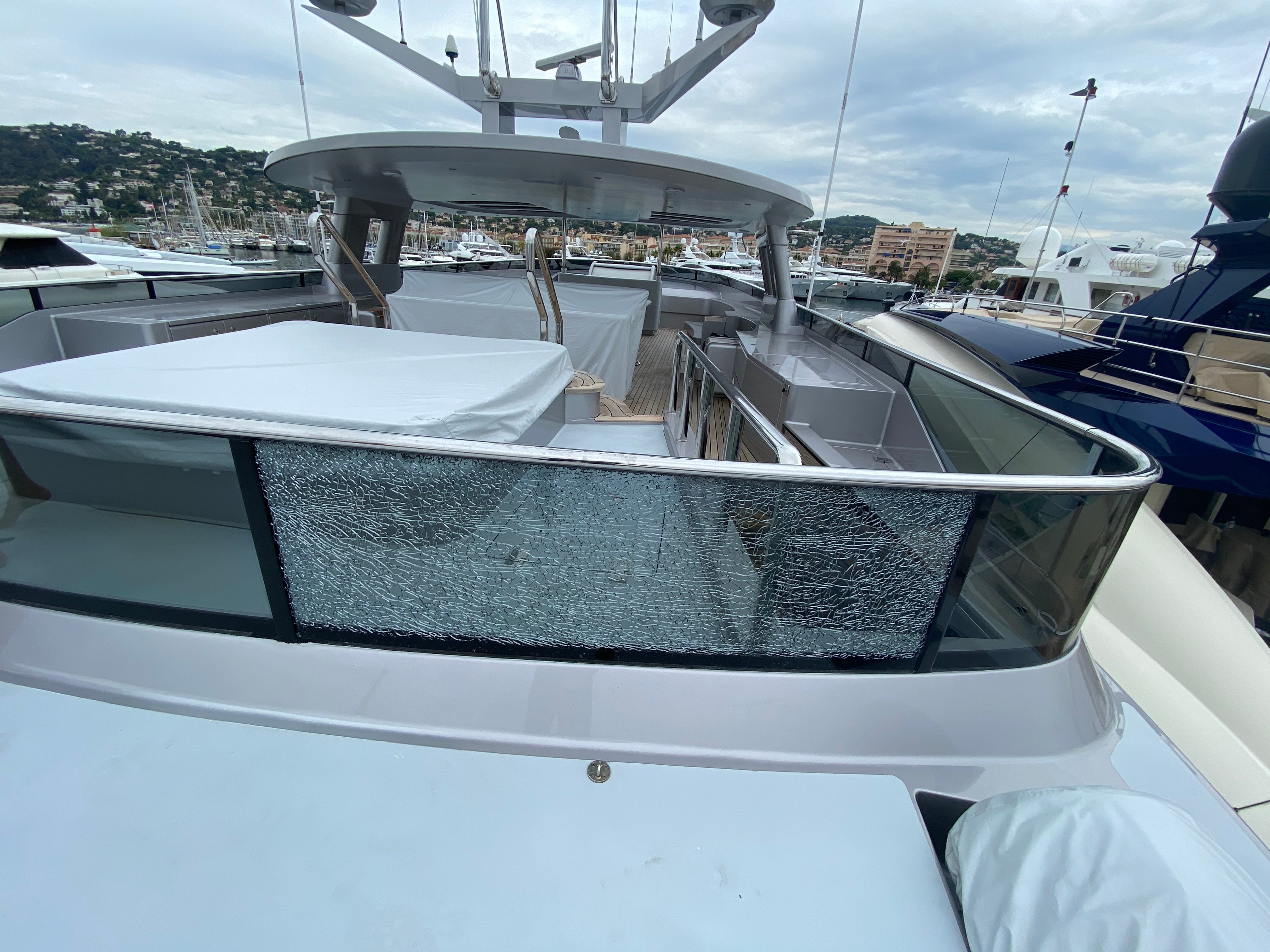
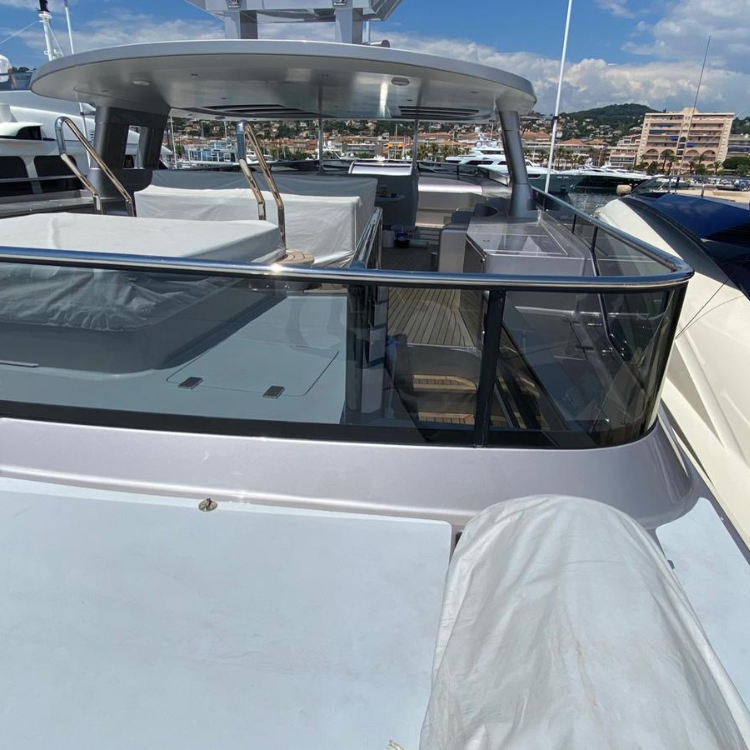
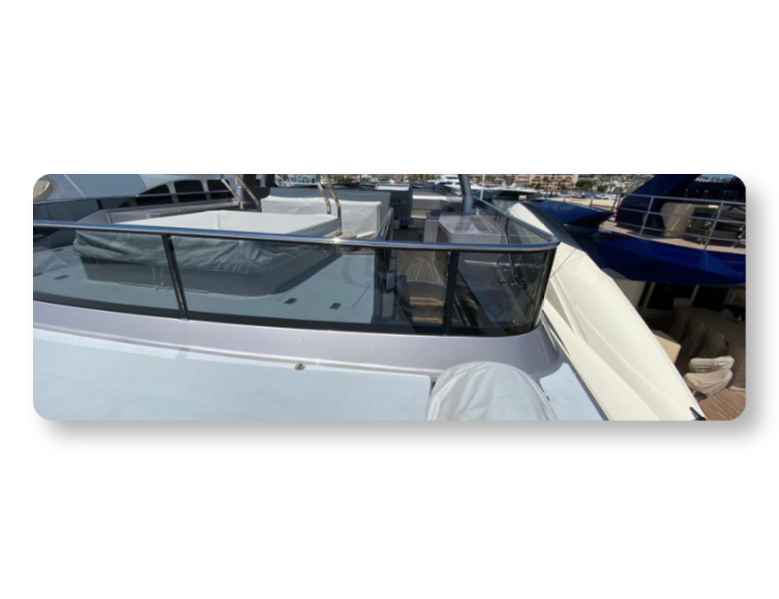
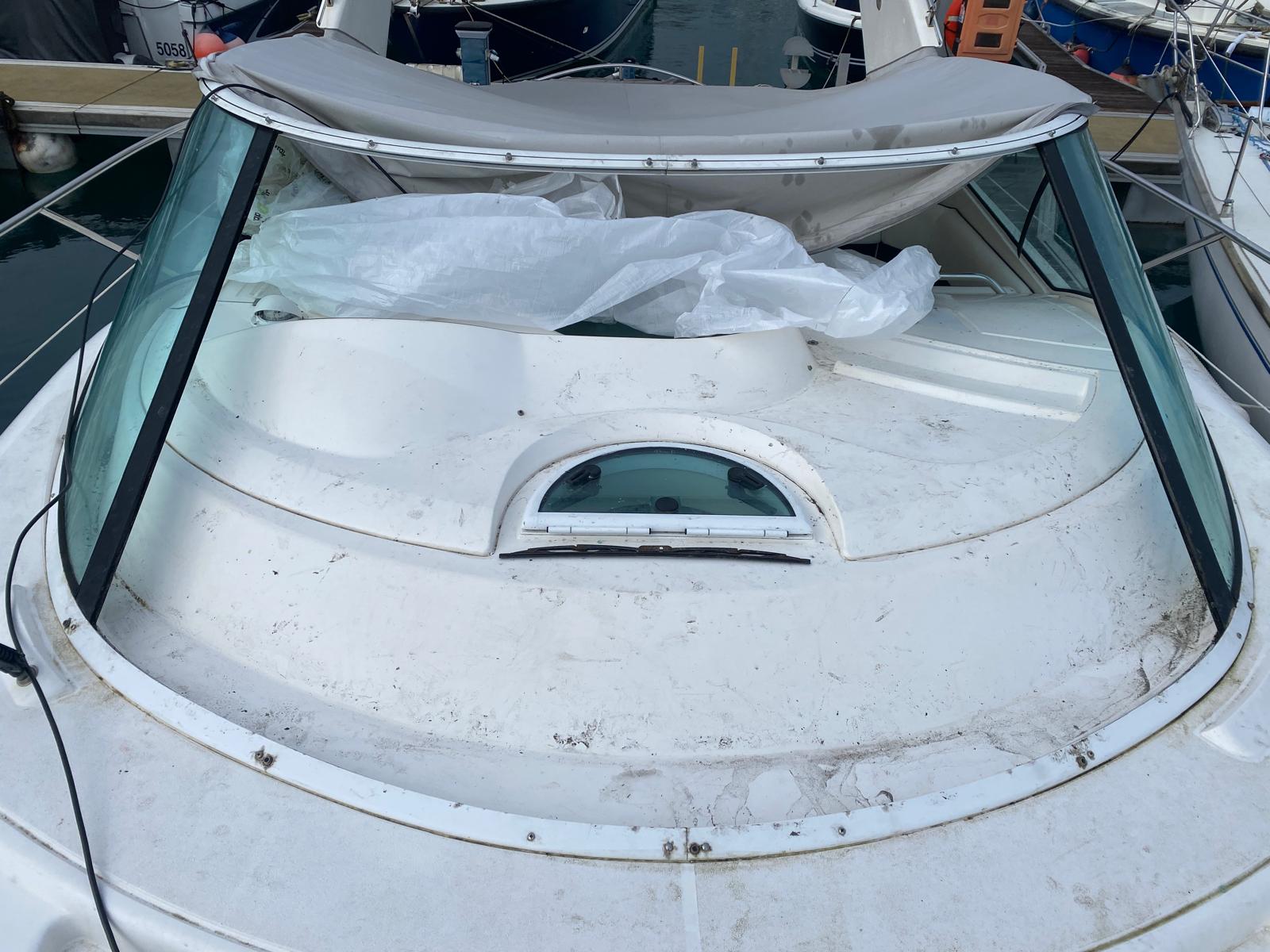
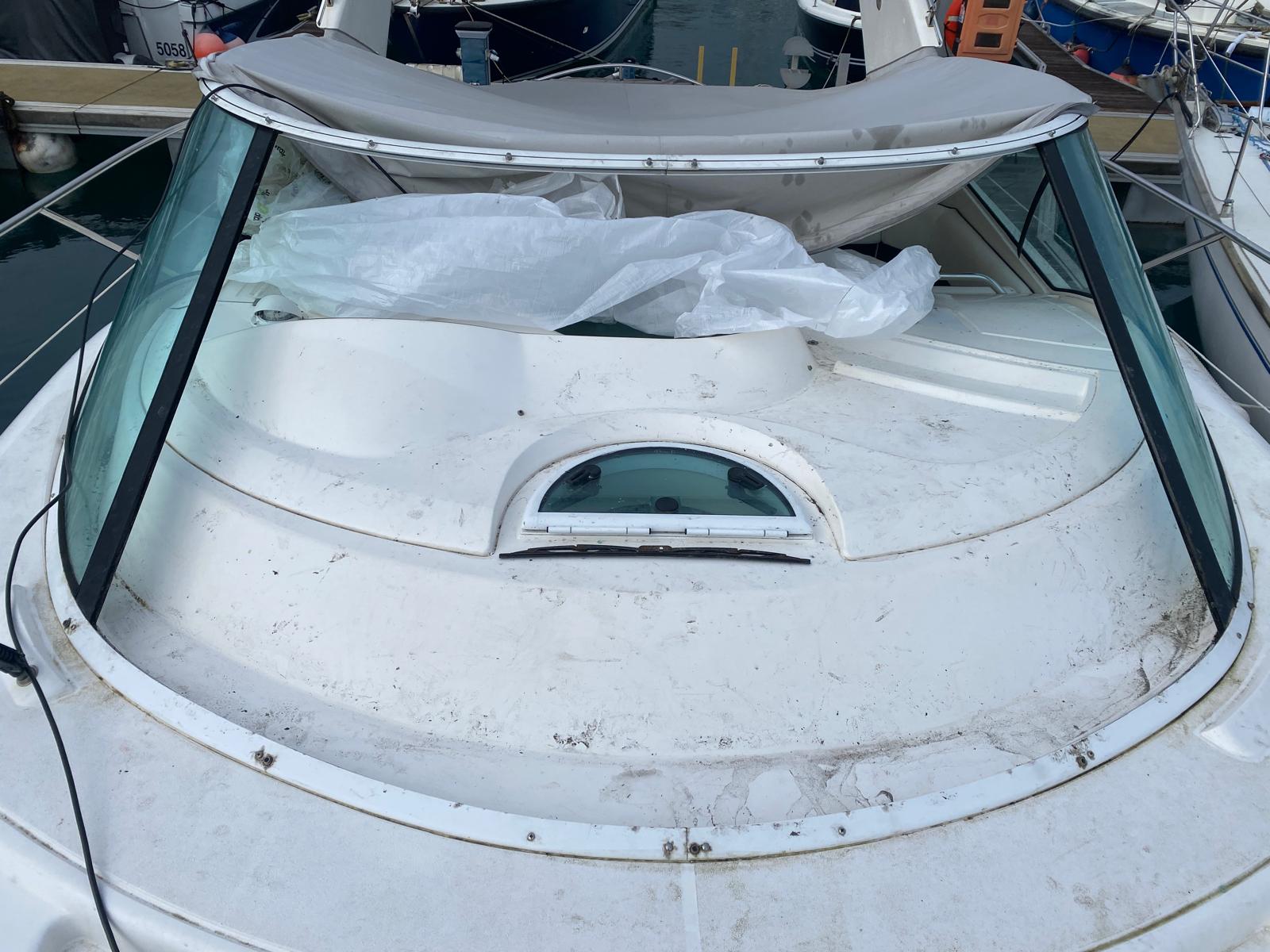
In projects such as curved yacht glazing replacement, structural modifications or modified openings, the existing geometry on board rarely matches original drawings perfectly. Hull structures may have shifted slightly over time. Openings may not be perfectly symmetrical. Surfaces may not be perfectly flat.
If this deviation is not detected early, the new part may require adjustment during installation. That leads to delays, additional yard time and coordination issues between trades.
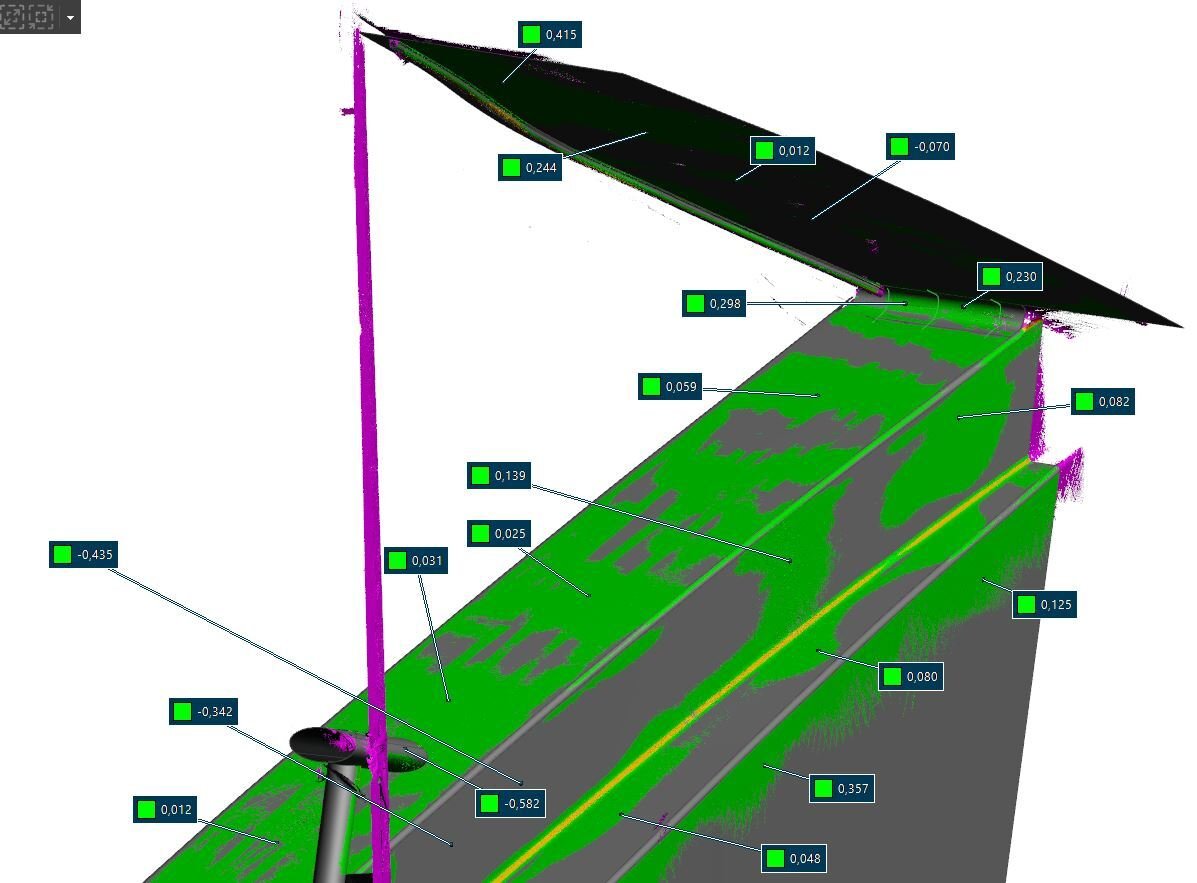
A full-surface scan identifies these deviations before production begins. The digital model shows where geometry differs from nominal dimensions, allowing the replacement part to be manufactured to match the real installation condition.
In practical terms: fewer trial fits, fewer surprises during installation and a lower risk of schedule overrun.